
Light source components are core parts that determine the measurement accuracy, stability and data reproducibility of analytical instruments. Among them, HPLC lamps and UV lamps are widely applied as essential components in the fields of liquid chromatography analysis and ultraviolet spectroscopic analysis. Both are based on the detection principle utilizing ultraviolet light, but there are clear differences in application scenarios, luminescence characteristics and service environments. Proper selection according to business application scenarios is the key to high-precision analysis.
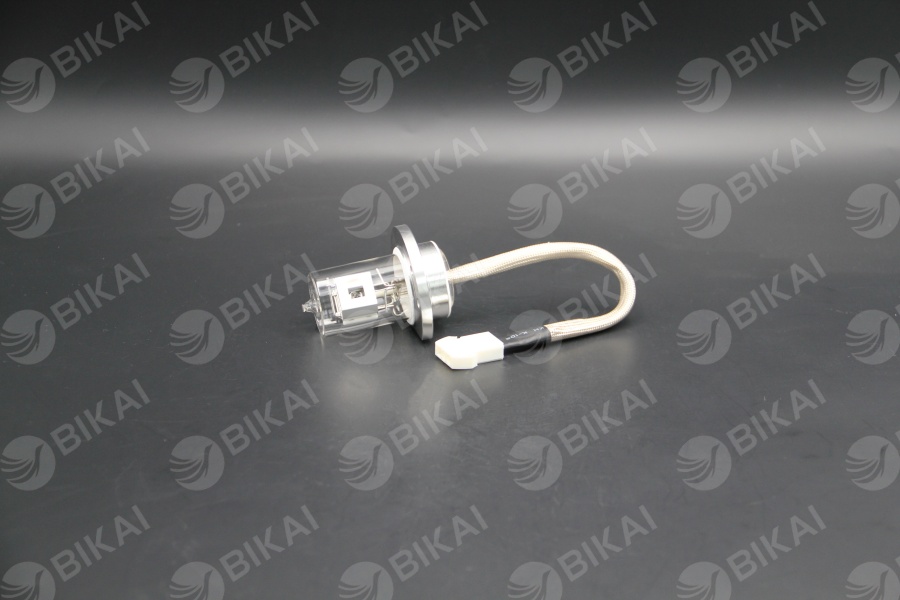
HPLC lamp
HPLC lamps are dedicated light sources for High Performance Liquid Chromatography (HPLC), featuring stable output of high-purity ultraviolet and visible light. Specially designed for qualitative and quantitative analysis of trace components, they have high luminous stability during long-term continuous operation with minimal light intensity drift. They are suitable for scenarios requiring strict data accuracy, such as pharmaceutical analysis, food inspection and environmental water quality detection. Cooperating with HPLC detectors, the lamps enable high-sensitivity detection of trace organic compounds in samples.
UV lamps are versatile ultraviolet light source components, extensively used in spectrophotometers, various analytical instruments, as well as sterilization and cleaning processes. As core parts for measuring the ultraviolet absorbance of samples, they emit ultraviolet light of specific wavelengths. Compared with HPLC lamps, UV lamps have better versatility and higher cost performance, but relatively lower luminous stability during long-term continuous use. They are ideal for routine scenarios including ultraviolet characteristic detection of common samples, simple component analysis and daily instrument calibration.
In daily instrument operation, it is crucial to distinguish the characteristics of HPLC lamps and UV lamps and apply them according to analytical purposes. Regular inspection and replacement of lamps can maintain the measurement accuracy of instruments and ensure the reliability of analytical data.