
The d2 lamp for uv vis spectrophotometer price varies significantly based on brand, compatibility, lifespan, and quality standards. As a critical component of UV-Vis spectrophotometers, deuterium (D2) lamps provide stable ultraviolet light in the 190-400 nm range, which is essential for accurate analytical results in laboratories, pharmaceuticals, and research institutions. Understanding the price range and influencing factors helps buyers make cost-effective decisions without compromising performance.
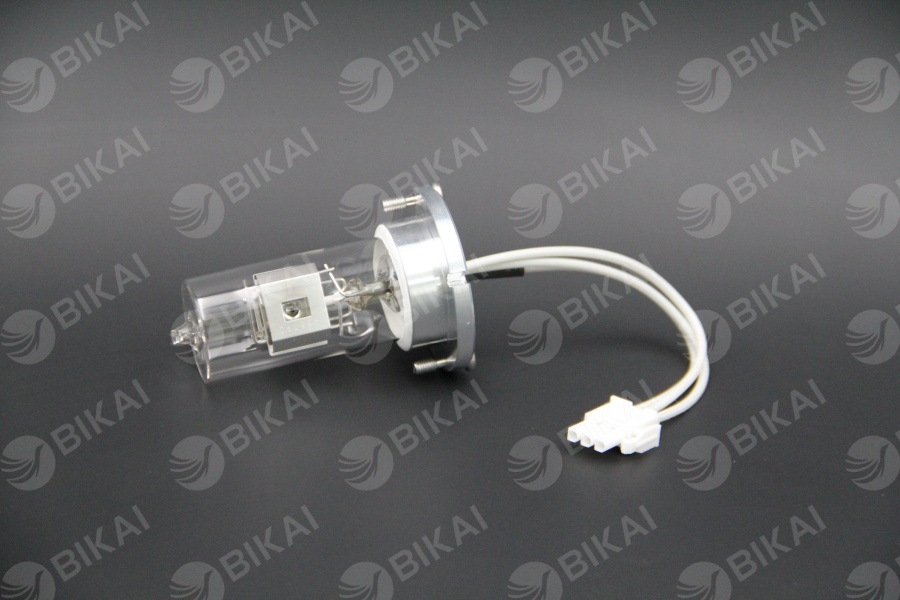
When it comes to d2 lamp for uv vis spectrophotometer price, original equipment manufacturer (OEM) lamps and replacement lamps are the two main categories. OEM lamps from top brands like Shimadzu and Heraeus tend to be pricier but offer precise compatibility and reliable performance. For example, the Shimadzu 062-65055-05 D2 lamp, compatible with UV-120, UV-1800, and UV-2700 series spectrophotometers, is priced around $348 to $535 USD . Heraeus noblelight D2 lamps, known for their 2000-hour lifespan and low noise, range from $910 to $950 USD for models compatible with Perkin Elmer instruments .
Economical replacement lamps from brands like Cole-Parmer and Azzota provide a budget-friendly alternative, with prices starting from $349 USD. The Cole-Parmer D2 lamp for Shimadzu UV series is priced at $379 USD, featuring ISO 9001 certification and a 1-year warranty . Azzota replacement lamps for Agilent and Shimadzu spectrophotometers range from $394.99 to $425.99 USD, offering equivalent performance to OEM versions . For ultra-budget options, some Chinese manufacturers offer D2 lamps for $80 to $120 USD, though buyers should verify compatibility and lifespan .
Other factors affecting d2 lamp for uv vis spectrophotometer price include lifespan (long-life lamps cost 10-20% more), certification (ISO-accredited products have higher prices), and compatibility with specific instrument models. Lamps for specialized spectrophotometers like Agilent 1290 DAD or Waters 486 may be priced higher, ranging from $398 to $689.99 USD . It’s crucial to balance price with quality, as low-cost lamps may have shorter lifespans or unstable light output, affecting analytical accuracy.